

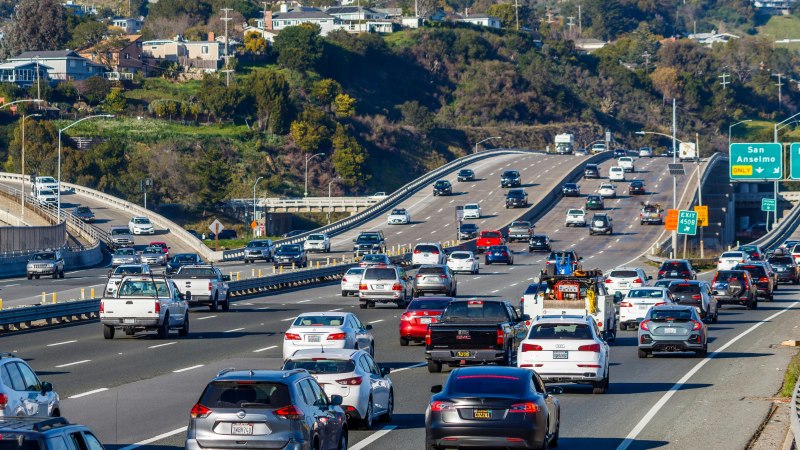
Drivers in Los Angeles often plan their days around traffic conditions. According to census data, the average commute time to work in Los Angeles County is 30.4 minutes. INRIX says that Los Angeles drivers lost 88 hours to traffic jams in 2024, costing each driver about $1,575 a year.
These numbers show how deeply traffic affects daily life in Los Angeles. Residents often plan work schedules, school drop-offs, medical appointments, errands, and family responsibilities around road conditions. When a car accident happens, that same traffic environment can make the aftermath more complicated.
A crash does not end when vehicles are moved from the road. Drivers may need medical care, towing, transportation, time away from work, repair estimates, insurance updates, and help understanding what to do next. In a city where getting from one place to another already takes sufficient planning, these post-crash responsibilities can quickly become difficult to manage.
Traffic safety also remains a major concern in the city. According to LADOT, speeding was the cause of about 1 in 5 fatal crashes in Los Angeles in 2024. The same city safety materials say that unsafe speed was the main cause of 40% of fatal crashes involving only vehicles. The LADOT Vision Zero safety study also found that only 6% of the city’s streets are responsible for 65% of deaths and serious injuries. The NHTSA says that in 2024, 2.42 million people across the country were hurt in car accidents.
How Congestion Affects the Days After a Crash
According to INRIX, Los Angeles was one of the most congested cities in the US in 2024, with drivers spending 88 hours stuck in traffic over the course of the year. Congestion does not cause every problem after a crash, but it can make many of them harder to resolve.
If a vehicle is not drivable, or if a person is too shaken or injured to drive right away, the effects can extend beyond the day of the accident. It might take longer to get medical help, pick up a rental car, reach a repair shop, or return to work after a normal commute is interrupted. Even routine post-crash tasks like retrieving a car from a tow yard or meeting with an insurance adjuster can take more time in a city with heavy traffic.
Those delays can affect work schedules, child care, medical follow-ups, and household routines. The Los Angeles Fire Department’s strategic plan also shows the scale of the city’s emergency response system, reporting 499,622 calls for help in 2022, which is more than 1,500 incidents per day. It also transported nearly 600 patients to local hospitals each day. In a large and heavily traveled city, emergency response, road clearance, and follow-up travel can all be affected by the same congestion patterns.
Transportation Disruption After an Accident
A car accident can create immediate transportation problems, especially in a city where many people rely on personal vehicles. If a car needs repairs, the driver may have to arrange a rental, use rideshare services, borrow a vehicle, or rely on family and friends.
A person may need transportation to medical appointments, repair shops, work, school, and insurance-related meetings. When these trips occur across different parts of Los Angeles, congestion can add extra time and uncertainty to each task. Though the accident may happen in a single moment, the transportation problems can last for days or weeks.
The Mental Strain of Returning to the Road
The practical problems after a crash are only part of the issue. Some drivers also experience stress when they return to the road, especially if the crash happened in heavy traffic or on a familiar route.
In the days after an accident, a person may feel distracted, irritable, tired, or anxious while driving. Some may become more cautious in traffic or think about the crash again when passing through similar road conditions.
This mental strain can affect decision-making. A person dealing with pain, poor sleep, insurance paperwork, transportation problems, and missed work may have a harder time staying organized. Documents may be misplaced, details may be forgotten, or important communications may be delayed.
Why Documentation Matters
Because the aftermath of a crash can involve several moving parts, documentation is important. Medical visits, repair estimates, insurance communications, receipts, and photos are easier to manage when they are kept together from the beginning.
Good records can help show what happened after the accident and how the crash affected daily life. This does not mean every decision has to be rushed. It means that the organization can help reduce confusion, especially when post-crash responsibilities are spread across several days or weeks.
Legal and Practical Considerations
Some people decide to speak with a Los Angeles car accident lawyer after a crash to better understand their options. This may be helpful when the accident involves injuries, missed work, vehicle damage, insurance disputes, or uncertainty about fault.
Legal guidance can also help people understand which information may be relevant, which deadlines may apply, and how different aspects of the accident may affect a claim. In a city where congestion can complicate medical visits, transportation, and documentation, having a clearer process can make the aftermath easier to navigate.
Los Angeles traffic is often discussed as a public issue involving congestion, road design, emergency response, and safety enforcement. For someone involved in a crash, however, the issue becomes personal very quickly. The road may clear, and damaged vehicles may eventually be repaired, but the practical effects of the accident can persist in the form of delays, missed appointments, paperwork, transportation problems, and uncertainty. Understanding that connection can help drivers approach the aftermath more carefully, stay organized, and recognize when they may need additional support.

Read More: Devon Island – The Mars on Planet Earth